
Better connected. Better informed. Better outcomes: Why bringing our specialists together matters
When it comes to supporting people following serious injury, no single professional has all the answers. The best outcomes often depend on the knowledge, experience and perspectives of many. But how do we ensure that expertise continues to develop, that ideas are challenged and that learning translates into meaningful benefits for the people who rely on it?
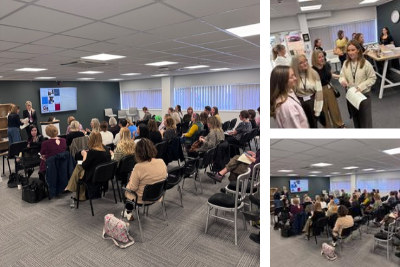
In October, we brought together our network of expert witnesses and case managers for our annual Continuing Professional Development (CPD) Day, creating an opportunity to learn from specialists, exchange experiences and explore some of the challenges facing those working in rehabilitation and the medico-legal sector.
While professional development is an important part of maintaining clinical expertise, for us, the value of bringing people together extends much further.
It's about encouraging conversations that challenge established thinking, exploring different approaches and strengthening professional connections that can make a real difference when navigating complex cases.
Looking beyond the obvious
One of the themes running through the day was the importance of understanding what's happening beneath the surface.
Take fatigue following brain injury, for example. A client who misses appointments, struggles to engage in rehabilitation or appears to have reached a plateau might be perceived as unmotivated. But what if the real barrier is fatigue that hasn't been properly recognised or managed?
Our sessions explored how fatigue can affect every aspect of rehabilitation, and why understanding the client's overall physical and cognitive demands is essential when coordinating treatment.
Similarly, discussions around psychological assessments and treatment options highlighted the importance of identifying the right specialist input, recognising when different interventions may be appropriate and ensuring that psychological needs are considered alongside physical rehabilitation.
For solicitors, whether acting for claimants or defendants, these are important considerations. Understanding the factors influencing an individual's recovery can help inform rehabilitation decisions, identify potential barriers to progress and ensure that expert evidence and recommendations reflect the complexities of their circumstances. This supports a clearer understanding of current and future needs, helping all parties make informed decisions throughout the claims process.
For clients, it can mean feeling better understood and receiving support that takes account of their individual needs, rather than following a standard approach.
Sharing expertise to see the bigger picture
The day's programme also explored neurobehavioural rehabilitation in the community, assistive technology and accessible living environments, alongside practical considerations around care, safeguarding and risk.
Although these subjects cover very different areas of expertise, they share an important principle: successful rehabilitation requires professionals to understand how different elements of a person's life and recovery interact.
An intervention that works well in isolation may not necessarily work as effectively when considered alongside other demands on a client's time, energy or circumstances.
Equally, developments in assistive technology or accessible environments can create opportunities for greater independence that may not previously have been considered.
By bringing different perspectives into the same room, our specialists have opportunities to broaden their understanding, share practical experiences and consider solutions beyond their own disciplines.
This breadth of knowledge is particularly valuable in complex personal injury and clinical negligence cases, where the interaction between medical, rehabilitation, care and everyday living needs can have significant implications for both the client and the claim.
The value of professional connections
Of course, not all the learning happens during a presentation.
Some of the most valuable exchanges happen between sessions, when professionals discuss the challenges they've encountered, share experiences and learn how colleagues in other disciplines approach similar situations.
For professionals who frequently work independently, opportunities to connect with others are particularly important.
Building these relationships creates opportunities for knowledge sharing, professional support and a better understanding of the expertise available across different disciplines.
For solicitors instructing Bush & Co, that wider professional perspective matters. It means working with specialists who have opportunities to learn from one another, remain informed about developments beyond their immediate specialism and bring that broader understanding to their work.
And for the people at the centre of every case, it supports a more considered, informed and joined-up approach.
Putting the individual at the centre
Perhaps one of the most important themes of the day was the need to continually question whether the support being provided is genuinely meeting the individual's needs.
Our case management discussions explored proactive rather than reactive approaches, the importance of listening to clients and families, and the responsibility professionals have to recognise and respond to safeguarding concerns. Hearing from one client’s mum was a particularly valuable way to have open and honest conversations about the real life impact case management can have and how not to do it.
These are important reminders that clinical expertise alone isn't enough.
Good practice also requires curiosity, communication, sound judgement and a willingness to challenge assumptions.
Whether preparing independent expert evidence or coordinating complex rehabilitation, understanding the person behind the case remains fundamental.
Making a difference beyond the day
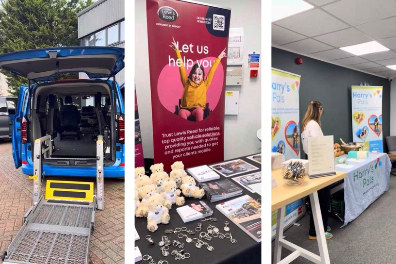
The event also gave us an opportunity to continue supporting our 2026 charity partner, Harry's Pals, with fundraising taking place during the day.
Harry's Pals provides vital emotional support, including counselling and therapy, to parents and families following a child's life-limiting or life-threatening diagnosis.
Their work is a powerful reminder that the impact of serious illness or injury reaches far beyond the individual, often affecting the emotional wellbeing and everyday lives of entire families.
We're delighted that our CPD Day could contribute to the charity's work and grateful to everyone who supported the fundraising.
Learning that makes a difference
Ultimately, the success of a CPD Day shouldn't be measured simply by the number of presentations delivered or hours of learning completed.
Its real value lies in what happens afterwards.
In the questions asked, the perspectives considered, the connections made and the knowledge that helps inform future decisions.
By continuing to create opportunities for our expert witnesses and case managers to connect, learn and share expertise, we're investing in something that matters far more than professional development alone.
We're investing in the quality of the expertise, evidence and support that solicitors and clients depend upon.
Thank you to our speakers and exhibitors
Thank you to those we worked with to ensure the day was insight and full of information and insight:
Symphony: https://symphony-group.co.uk/kitchens/
Harry’s Pals: https://harryspals.co.uk/
Fiona Dennehy: https://fionadennehy.co.uk/
Lewis Reed Group: https://lewisreedgroup.co.uk/
Forget Me Not Productions: https://forget-me-not-productions.co.uk/
The Pain Lab: https://www.cheshiretraumatherapy.co.uk/
Reach Personal Injury: https://reachpersonalinjury.com/
Clark Gilkes